After learning to recognize stress and discomfort in Parts 1 and 2, it’s time for the fun stuff — the signs your dog is truly happy, relaxed, and loving life. While every dog has their own unique personality, these common cues are reliable indicators that your dog feels safe, content, and joyful.
1. Loose, Wiggly Body
A happy dog is relaxed and fluid in their movements. Look for:
Soft, swaying hips
Wagging tail that moves the whole back end
No tension in the neck, shoulders, or legs
Happy dogs are bouncy, not stiff. If your dog wiggles up to greet you — that’s a good sign!
2. “Smiling” Mouth
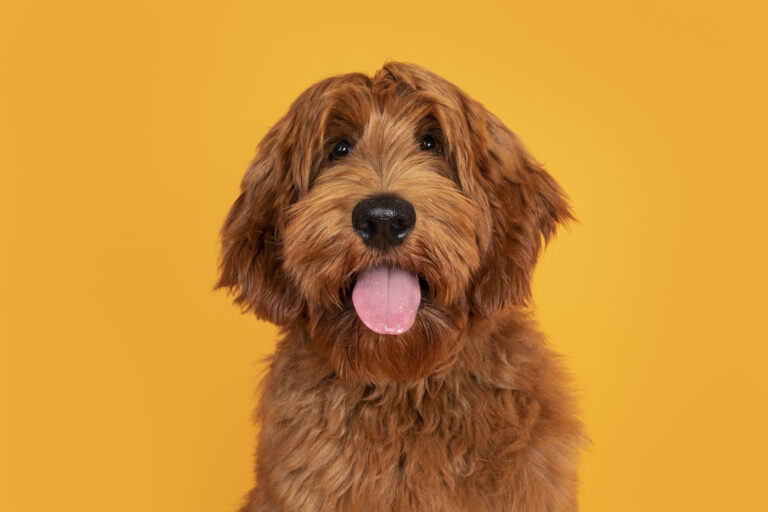
Dogs don’t literally smile like humans, but a soft, open mouth (slightly parted with a relaxed tongue) is a great sign of contentment. You might see this:
After a satisfying walk or play session
While lounging in a comfy spot
During a belly rub or cuddle
Note: A tense mouth with lips pulled back and visible front teeth is not the same — that’s usually fear or defensive behavior.
3. Play Bows
That classic butt-in-the-air pose, with front legs stretched forward, is an invitation:
“Let’s play!”
Play bows often include joyful barks, tail wagging, and even a little jump or pounce. It’s a universal dog gesture that says, I’m feeling good and ready for fun!
4. Soft Eyes & “Blinking”
Happy dogs have what trainers call “soft eyes.” This means:
Eyes slightly squinty or almond-shaped
Gentle eye contact (not wide or staring)
Slow blinks (especially when relaxed around you)
This is a sign your dog feels calm and safe in your presence.
5. Floppy Ears (for relaxed breeds)
Whatever your dog’s ear shape, relaxed ears are a good sign. They’re:
Not pulled tight back or pinned
Not forward and stiff (that can signal alertness or arousal)
You may also notice “ears dancing” slightly when your dog is playing or excited in a good way.
6. Tail Wagging — With Context
A wagging tail isn’t always happy (as we covered in Part 1), but in the right context, a loose, rhythmic wag at mid-height or lower usually means:
Your dog is relaxed and engaged
They’re enjoying your company or anticipating something fun
Paired with a soft body and friendly energy? That’s joy.
7. Cuddling or Leaning In
Dogs that lean against you, press their head into your lap, or snuggle up close are showing trust and affection. This is especially meaningful if your dog initiates it during quiet moments — not just when they want something.
8. Zoomies! (Frenetic Random Activity Periods)
Sudden bursts of joyful running — aka the zoomies — often happen:
After a bath
During outdoor play
When the mood just strikes
Zoomies are a clear release of pent-up energy and sheer excitement. If your dog is zooming around with a goofy face and wiggly body, they’re feeling great.
Celebrating Joy Matters
Recognizing your dog’s happy signals helps you:
Reinforce what they love
Create more of those feel-good moments
Strengthen the emotional bond you share
When your dog knows you notice their joy — they trust you even more.
Next Up: Part 4 – Misunderstood Behaviors (Is It Naughty… or Normal?)
We’ll break down behaviors often labeled as “bad” — like barking, digging, or chewing — and what your dog is really trying to tell you.