Dog care options vary widely, and understanding how each type of environment actually operates can help owners make better decisions for their dogs. The biggest differences usually come down to how much time dogs spend interacting with people and other dogs, and how the day is structured.
In most communities, dog care falls into three general models: traditional dog daycare, boutique dog daycare, and home-based dog walking or in-home care.
| Feature | Traditional Dog Daycare | Boutique Dog Daycare | Home Dog Walkers / In-Home Care |
|---|---|---|---|
| Daily Schedule | Dogs are typically rotated between kennels and play periods. | Dogs spend most of the day around people and other dogs with structured activity periods. | Dogs remain at home and receive scheduled visits. |
| Time Out of Kennel | Limited play sessions during the day. | Usually several structured activity periods (often 3 play sessions with rest breaks). | Typically 30–60 minutes per visit depending on the service. |
| Human Interaction | Mainly supervision during play sessions. | Much more human interaction throughout the day with engagement and observation. | One-on-one interaction during the visit. |
| Interaction With Other Dogs | Group play during scheduled play periods. | Continuous social environment with carefully managed groups. | Usually none unless multiple dogs live in the home. |
| Rest Periods | Dogs return to kennels between play rotations. | Planned rest periods or naps between activity sessions. | Dog rests alone once the visit ends. |
| Environment | Larger facilities with many dogs. | Smaller environments designed for closer supervision and social interaction. | Dog stays in its familiar home environment. |
| Best For | Dogs comfortable with kennel rotations and large groups. | Dogs that benefit from regular interaction with people and other dogs. | Dogs that prefer staying at home or just need a midday break. |
| Typical Focus | Exercise during scheduled play sessions. | Balanced day with play, interaction, and rest. | Bathroom breaks, short exercise, and companionship. |
| Price Range | $ | $$–$$$ | $$ depending on visit frequency |
Why a Boutique Dog Daycare Can Be the Best Choice for Your Dog
And Why Small Dogs Often Benefit the Most
Dog daycare has grown rapidly over the past decade as more people recognize that dogs need more than a quick walk and a few toys to stay mentally and emotionally healthy during the day.
But not all dog daycare environments are the same.
Some facilities operate with large numbers of dogs moving through play rotations during the day. Others take a different approach, focusing on smaller groups, closer supervision, and more interaction between dogs and people.
This second model is often referred to as boutique dog daycare, and for many dogs—particularly smaller breeds—it can offer significant advantages.
Understanding what makes boutique daycare different helps owners make better decisions about where their dogs spend their day.
Breed Physiology, Coat Care, and Social Behavior
Dog daycare is often discussed as though all dogs have the same needs. In reality, breed traits, physiology, coat type, and temperament all influence how well a dog adapts to different environments.
Some dogs thrive in large, highly active playgroups. Others require more structured environments with smaller social groups and closer supervision.
Understanding the biological and behavioral differences between dogs helps explain why boutique dog daycare environments—especially those designed for small dogs—can be better suited for many breeds.
Brachycephalic Breeds Require Controlled Environments
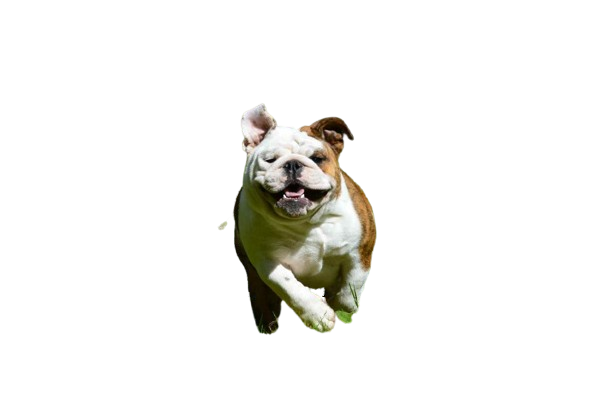
Brachycephalic breeds—including Bulldogs, French Bulldogs, Pugs, and Boston Terriers—have shortened skulls and compressed upper airways. This anatomical structure restricts airflow and significantly reduces their ability to regulate body temperature.
Dogs primarily cool themselves through panting. Because brachycephalic dogs cannot move air through their airways as efficiently, they are far more susceptible to overheating. They need climate controlled, air conditioned suites.
Veterinary research has shown that brachycephalic breeds are several times more likely to experience heat-related illness than longer-nosed dogs.
Heat stress can occur even at moderate temperatures when dogs are running or playing intensely. Once a dog’s body temperature rises above approximately 40°C (104°F), heatstroke can occur, leading to neurological complications, organ damage, or death if not treated quickly.
A well-designed boutique daycare environment addresses these risks through environmental controls such as:
climate-controlled indoor spaces
shaded outdoor areas
cooling mats and cool resting surfaces
air-conditioned quiet suites for rest periods
structured play sessions rather than constant activity
These features allow dogs to regulate body temperature more effectively during the
Overexertion, Electrolytes, and Seizure Risk
Another factor that is often overlooked in highly active daycare environments is metabolic stress from prolonged activity.
When dogs engage in extended running or high-intensity play, their bodies can lose fluid and electrolytes through panting and exertion. In smaller dogs especially, excessive exertion can contribute to:
dehydration
electrolyte imbalance
hypoglycemia (low blood sugar)
Low blood glucose reduces the amount of energy available to the brain. When levels drop too low, dogs may develop neurological symptoms including weakness, tremors, disorientation, or seizures.
In addition, overheating itself can trigger neurological symptoms such as collapse or seizures in advanced cases of heat stress.
Boutique daycare programs typically structure the day into activity cycles with rest periods, allowing dogs to recover between play sessions. These breaks help normalize breathing, stabilize body temperature, and restore metabolic balance.
Bully Breeds and Social Tolerance
Breed temperament also influences how dogs respond to daycare environments.
Bulldogs, for example, were historically bred for tasks that required tenacity and independence, traits that can translate into selective social behavior with unfamiliar dogs.
While many bulldogs enjoy play with familiar companions, they often do not tolerate constant introductions to new dogs. In large daycare environments where groups rotate frequently, this can lead to tension or defensive behavior.
Smaller boutique programs often maintain stable social groups, allowing dogs to become familiar with one another rather than encountering new dogs throughout the day.
Stable social groups tend to produce calmer and more predictable interactions.
In a daycare setting the best way to set these up is to use acrylic walls. The dogs can see each other. They can see the people. They can watch dogs play, but no one is going to approach.
This gives the dog the best of both worlds. The #1 concern of a boutique dog daycare like Stay N Play is that every dog is safe, and every dog has fun.
Companion Breeds and Sensitivity to Isolation
Many toy breeds were developed specifically as companion dogs, bred to live closely with people.
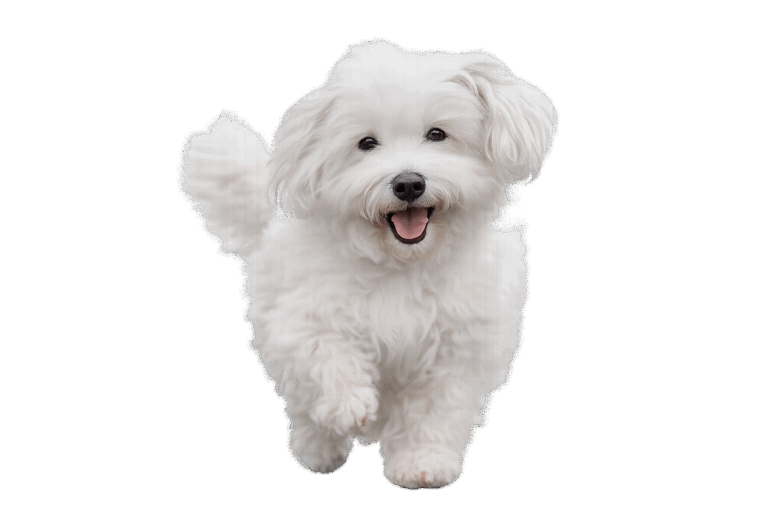
Breeds such as Havanese, Maltese, and Cavalier King Charles Spaniels often display strong attachment behaviors and are highly sensitive to social isolation.
Extended periods of kennel confinement can trigger stress behaviors in these breeds, including:
barking
pacing
withdrawal
repetitive behaviors
Because boutique dog daycare environments typically allow dogs to remain in shared social spaces with both people and other dogs for most of the day, these breeds often remain calmer and more socially engaged.
Coat Color and Sun Exposure
Environmental conditions also affect coat health and appearance.
Dogs with red or apricot coats, commonly seen in Havanese and many poodle mixes, contain pigment that is particularly sensitive to ultraviolet light.
Extended sun exposure gradually breaks down melanin in the hair shaft, which can cause noticeable fading or bleaching of the coat over time.
While this does not harm the dog physically, it can significantly alter coat color. Facilities that provide shaded areas or indoor spaces help reduce prolonged UV exposure.
Why Drop Coats Require Dry Environments
Dogs with drop coats, including Yorkshire Terriers and Havanese, have long, silky hair rather than dense fur.
This hair structure tangles easily when damp. Moisture from wet grass, rain, or repeated water play can quickly lead to matting, especially in high-friction areas such as behind the ears, under the legs, and along the chest.
Once mats form, they tighten against the skin and often require extensive grooming—or even shaving—to remove.
Care environments that limit prolonged exposure to damp conditions can help maintain coat health and reduce grooming stress.
Doodle Coats and Matting
Doodle breeds present a different grooming challenge.
Most doodles inherit curly or wavy coats from the poodle side of their genetics. These coats shed very little, but loose hair becomes trapped within the curls instead of falling away from the body.
Friction from play, moisture, and dirt can cause these trapped hairs to twist together, forming tight mats close to the skin.
Matting can develop quickly if the coat is repeatedly exposed to moisture or heavy physical play without brushing.
Environments that monitor activity levels and environmental conditions help reduce mat formation.
Why Environment Matters
When all of these factors are considered together—breed physiology, coat care, metabolic stress, and social temperament—it becomes clear that dog daycare is not one-size-fits-all.
Some dogs do well in large, highly active environments. Others benefit from smaller programs that provide:
more human interaction
stable social groups
structured play and rest cycles
environmental management for coat and temperature
For many smaller companion breeds, these conditions create a day that is both stimulating and balanced, supporting their physical comfort and behavioral well-being.
A daycare environment designed with these considerations in mind is not simply supervising dogs—it is actively supporting their health and development throughout the day.